
oem tinted glass
Understanding the 24 x 36 Surface Plate Importance and Applications In the realm of manufacturing and precision engineering, the surface plate serves as a fundamental tool for establishing a flat reference surface. A surface plate that measures 24 inches by 36 inches is a common size that strikes a balance between usability and versatility, making it an essential asset in various industries. This article delves into the significance, characteristics, and applications of the 24 x 36 surface plate. What is a Surface Plate? A surface plate is a flat, solid plate made from materials such as granite, cast iron, or steel, meticulously machined to achieve a high degree of flatness. The primary purpose of a surface plate is to provide a reliable base for measuring, testing, and inspecting the flatness of components, tools, or fixtures. Precision is paramount in manufacturing, and the surface plate aids in ensuring that products conform to specified tolerances. Importance of Flatness Flatness is a vital aspect of precision measurements in engineering. An uneven surface can lead to inaccuracies, which may cause catastrophic failures in manufactured products . With a 24 x 36 surface plate, engineers and technicians can perform measurements that are critical to ensuring the quality and reliability of parts. This surface eliminates variables in measurement by providing a stable reference that minimizes the risk of distortion and provides a consistent measuring environment. Key Characteristics 1. Material Most surface plates are made from granite or cast iron, with granite being favored for its resistance to wear and thermal stability. A granite surface plate is non-porous, which means it will not absorb liquids that could lead to corrosion or other forms of damage. 2. Surface Hardness A high level of hardness is essential to prevent wear during prolonged usage. Granite plates typically have a hardness rating of around 6-7 on the Mohs scale, which makes them ideal for heavy-duty applications. 3. Flatness Tolerance The flatness of a surface plate is meticulously measured and often rated according to industry standards. A precision surface plate should maintain a flatness tolerance of 0.0001 inches or better, depending on its classification. 24 x 36 surface plate 4. Size and Portability The 24 x 36 dimensions make this surface plate suitable for a variety of tasks without occupying too much workspace. Its manageable size allows for ease of transport and usage in different settings, from small workshops to larger manufacturing facilities. Applications The versatility of the 24 x 36 surface plate makes it suitable for numerous applications, including - Inspection and Measurement It serves as a primary tool for gauging the flatness of machined parts, ensuring they meet the necessary specifications before assembly. - Assembly Fixture Engineers can use the surface plate as a staging area for precision assembly, allowing them to align and fit components accurately without distortions that could arise from less stable surfaces. - Tool Calibration Precision measuring instruments, such as calipers and micrometers, can be calibrated against the surface plate, confirming their accuracy. - Manufacturing Setup In CNC machining and other automated processes, the surface plate can assist in setting up and leveling machinery, ensuring that operations proceed without unexpected deviations. Conclusion The 24 x 36 surface plate is an indispensable tool for ensuring precision in manufacturing and engineering fields. Its ability to provide an accurate reference surface cannot be overstated; it underpins vital processes from inspection to assembly and calibration. As industries continue to demand higher precision and quality, the role of surface plates in achieving these objectives will remain significant. Investing in a high-quality surface plate is a decision that pays dividends in accuracy, reliability, and ultimately, product quality.
about
oem tinted glass
Understanding Dial Cylinder Bore Gauges A Comprehensive Overview In the world of precision engineering and mechanical manufacturing, the accuracy of measurements plays a pivotal role in ensuring optimal performance and longevity of machinery and components. Among the essential tools employed for such precision measurement is the dial cylinder bore gauge. This article delves into the significance, functionality, and advantages of using a dial cylinder bore gauge in various applications. What is a Dial Cylinder Bore Gauge? A dial cylinder bore gauge is a specialized measuring instrument designed to accurately determine the internal diameter of cylindrical components, such as engine cylinders, pipe fittings, and other hollow parts. The gauge consists of a dial indicator mounted on a frame with extending arms that can reach into the bore being measured. The dial indicator displays precise readings, allowing users to assess any discrepancies in size, shape, or roundness of the bore. How Does It Work? The operation of a dial cylinder bore gauge is relatively straightforward, yet it requires a certain level of expertise to ensure accurate measurements. To use the gauge, the operator first inserts the measuring arms into the bore . The arms are then expanded to make contact with the bore walls. As the arms touch the sides, any deviation from the bore’s ideal diameter can be captured by the dial indicator, which translates the mechanical movement into a readable measurement. One of the essential features of dial bore gauges is their ability to gauge not only the diameter but also the alignment and taper of the bore. To achieve this, the operator typically takes multiple readings at different angles and heights, thus ensuring a comprehensive assessment of the bore condition. Advantages of Dial Cylinder Bore Gauges 1. Precision Measurement Dial cylinder bore gauges are highly accurate instruments, providing measurements to within a few micrometers. This precision is crucial in industries where tolerances are tight, such as automotive and aerospace applications. dial cylinder bore gauge 2. User-Friendly Interface The dial indicator provides a clear and straightforward way to read measurements. This visual representation allows operators to quickly assess the condition of the bore without needing complex calculations or external tools. 3. Versatility Dial bore gauges are versatile tools that can be used for various applications, from small engine components to larger industrial machinery. Their adaptability makes them valuable assets in machine shops and manufacturing facilities. 4. Cost-Effective Compared to more advanced digital measuring systems, dial cylinder bore gauges are relatively affordable. They offer a practical balance between cost and accuracy, making them accessible to businesses of all sizes. 5. Durability and Maintenance These gauges are typically designed with robust materials that can withstand the rigors of shop environments. With proper care and maintenance, dial bore gauges can provide reliable service for years. Common Applications Dial cylinder bore gauges are utilized in various settings, including - Automotive Industry Measuring engine cylinder bores to ensure a proper fit for pistons and other components. - Manufacturing Quality control checks on machined parts to ensure they meet design specifications. - Aerospace Sector Precision measuring of components that require strict adherence to weight and performance standards. Conclusion In conclusion, dial cylinder bore gauges are indispensable tools in precision measurement and quality control. Their ability to provide accurate and reliable measurements makes them essential in numerous industries, ensuring that components fit as intended and operate efficiently. Understanding how to use and maintain these gauges effectively is crucial for any professional involved in manufacturing or mechanical engineering, as it can significantly impact the overall quality of products and machinery. Embracing this tool not only enhances efficiency but also upholds the standards required in today’s competitive market.
-

High quality industrial productsagement

High quality industrial products
View Details -

Meet the diverse needs of customers

Meet the diverse needs of customers
View Details -

Strict quality control

Strict quality control
View Details -

Top raw materials

Top raw materials
View Details -

Trusted supplier

Trusted supplier
View Details
Our application


news and information
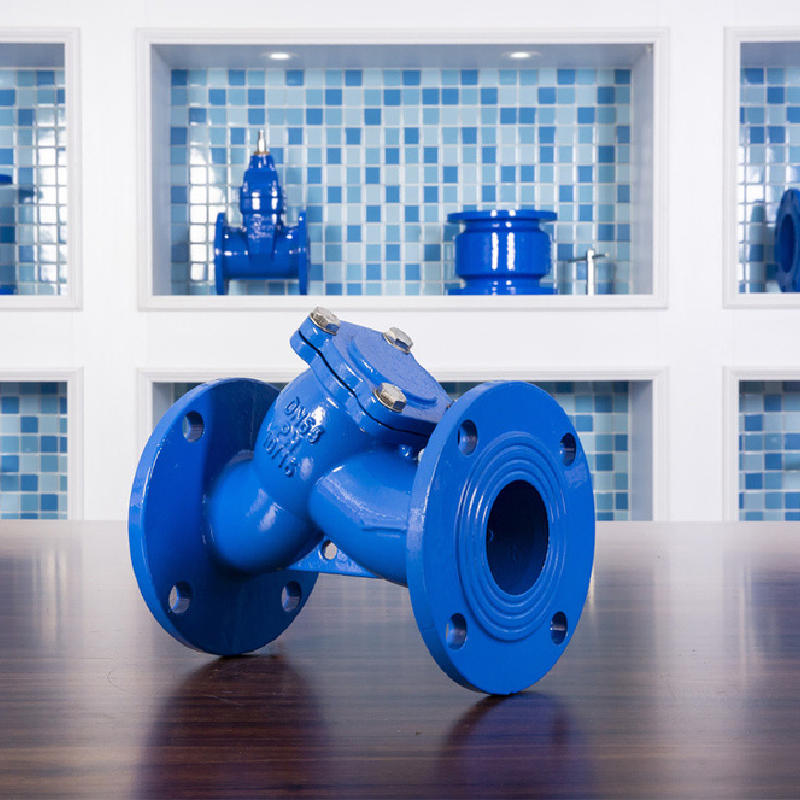
Y Type Strainer Cost Comparison and Market Insights for 2023
Understanding the Price Dynamics of Y Type Strainers Y type strainers are essential components in a
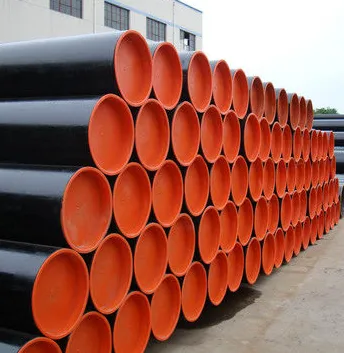
welding table china
The Rise of Welding Tables in China A Comprehensive Overview Welding tables play a crucial role in v
Water Supply Control Mechanism for Efficient Valve Shutdown and Management
Understanding Water Valve Shut Off Systems In our daily lives, water is an essential resource, servi
 English